Plant-based alternatives to plastic could help to reduce the pollution caused by single-use plastics – but does the food-to-go industry have the appetite for change and will the new directive support the adoption of new technology? We asked Dr Marc Rodriguez Garcia, Co-Founder and Chief Technology Officer at Xampla for his view.
Marc is optimistic about the Single-Use Plastics Directive (SUPD) which has been in force for four years, he says:
“Yes SUPD does drive innovation, not least because it recognises that natural polymers – so long as they are not chemically modified – are not plastics.
“This creates a clear regulatory pathway for natural polymers to replace plastics, including the most polluting hidden plastics such as coatings applied to cardboard and the tiny microcapsules found in home and personal care products.
“Hard to recycle plastic films can also be replaced with natural polymer alternatives.”

Where does the plant protein come from?
Plant proteins can be sourced from a variety of feedstocks, including waste streams or byproducts from agriculture. Plant proteins are already extracted in extremely large volumes using standard, water-based extraction processes.
Marc explains: “What’s unique about Xampla’s patented technology is that we harness plant proteins’ natural ability to self-assemble without any chemical modifications, ensuring that all materials will cause no harm to the environment, no matter where they end up.
“This self-assembly approach allows us to create high-performance materials that maintain their completely natural composition whilst delivering the functional properties needed to replace plastic in everyday applications.”
Can you explain how a plant-based alternative to plastic can be adopted?
“We’re seeing a strong momentum, with companies investing heavily in plastic-free solutions that can be dropped into existing supply chains, using existing manufacturing lines,” observes Marc. “So, it’s a straight swap for the big brands and the packaging companies who supply them.
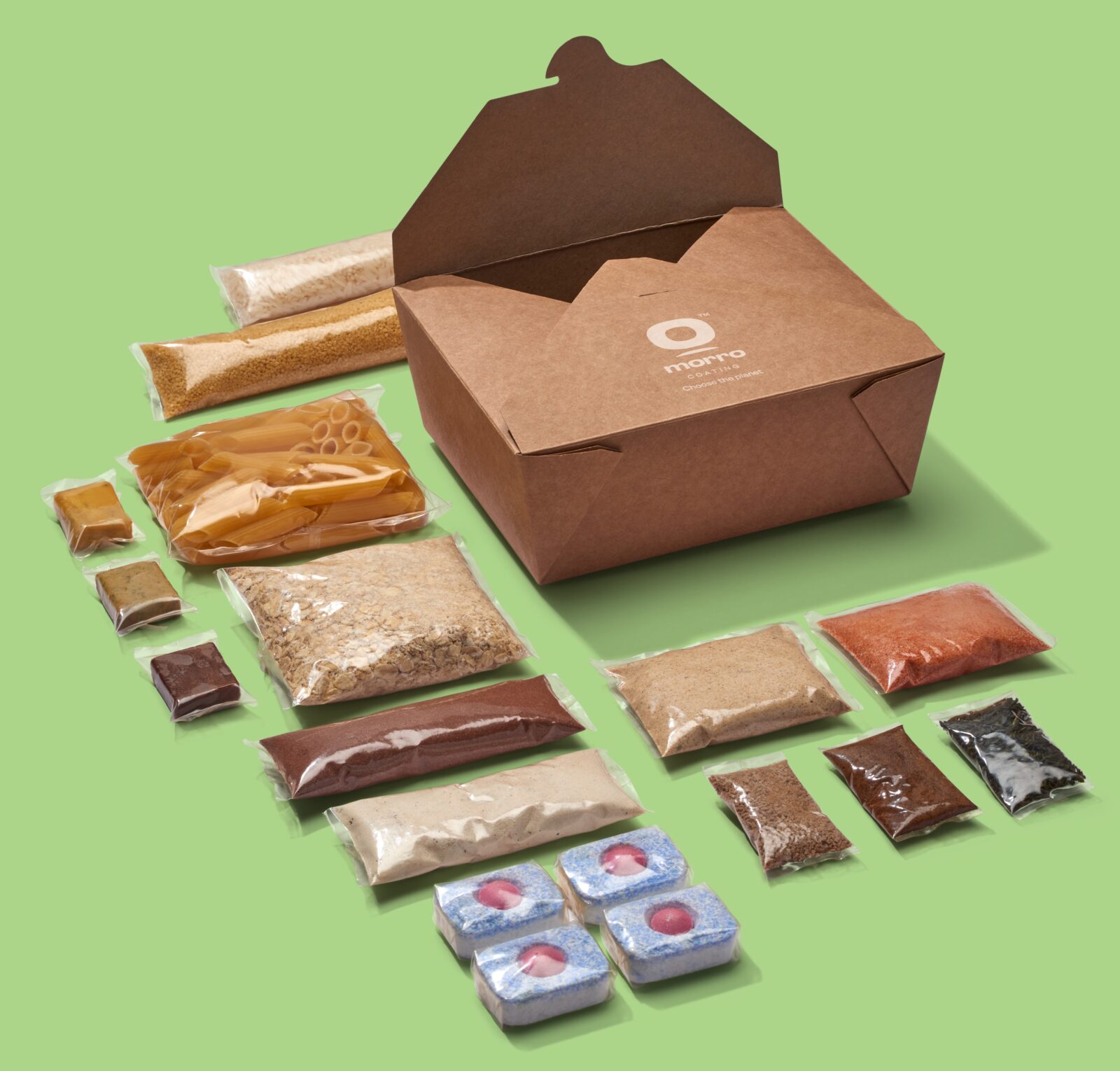
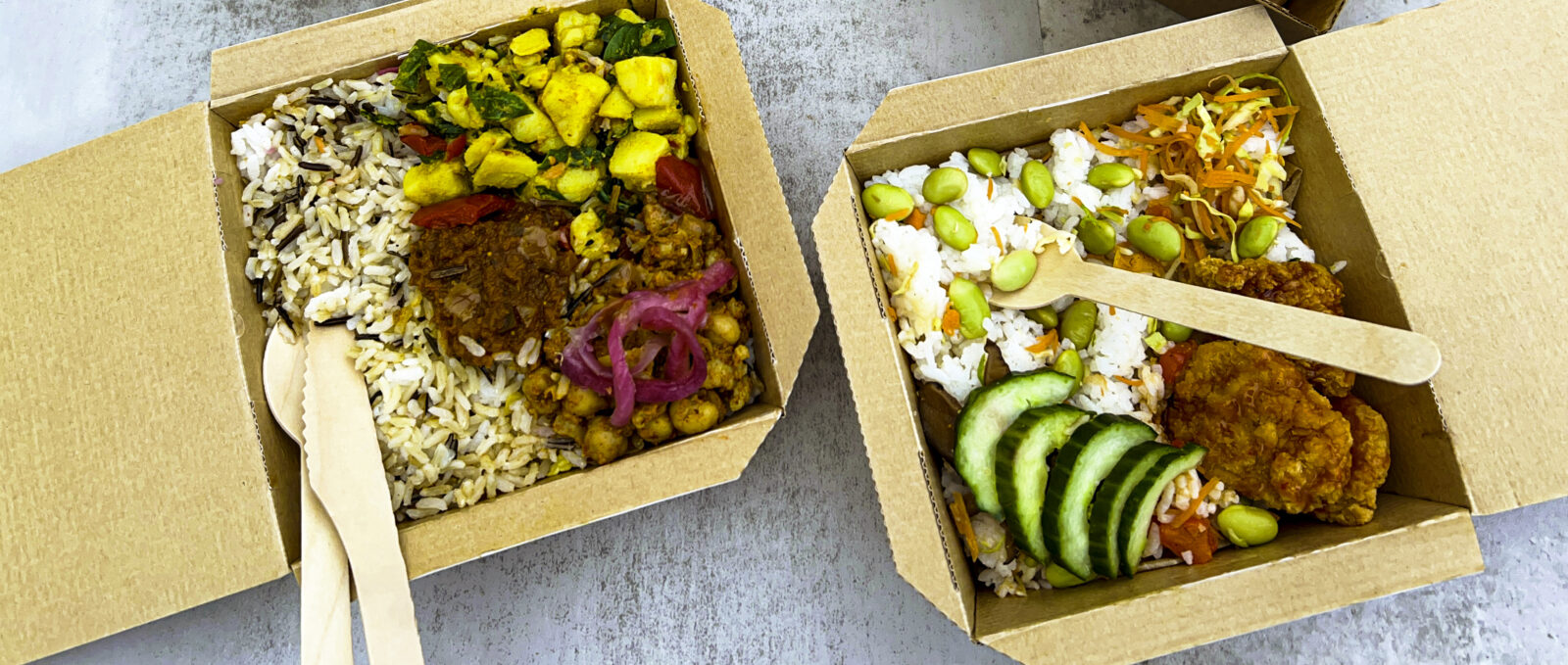
“Our Morro™ Coating provides high grease, water, and oxygen barrier performance, as well as heat seal-ability properties, so it is a viable alternative to plastic linings. It performs effectively in hot food-to-go applications whilst being compatible with existing manufacturing equipment.
“As the coating is made entirely from natural plant polymers, it breaks down like a plant without harmful pollutants or microplastics. It is PFAS-free, non-toxic, biodegradable and home compostable. That’s a marked contrast from plastic coatings which disrupt paperboard recycling.”
There are many early-stage companies with innovative products that will reduce environmental impacts and increase sustainability. What advice would you give to others about creating a proposition that adds value and overcomes corporate inertia?
“There aren’t actually that many challenges competing with incumbent technologies, because those plastic solutions are being phased out due to regulation. The real challenge is demonstrating that we can provide the same performance at a comparable cost.
“We’re seeing three key drivers creating demand for our solutions:
- incoming regulations
- growing consumer demand for sustainable alternatives
- companies’ ESG reporting requirements based on the triple bottom line, which includes environmental and corporate social responsibility considerations.
“It’s been really important to us at Xampla that we created a drop-in solution to make it easy for brands and their consumers to choose the planet and join our mission to reduce plastic use, and we’ve been proud to work with some of the most innovative companies across the globe, such as Britvic, Elemis, Gousto, Just Eat and Huhtamaki.
“The key with new innovations is being able to slot into existing supply chains and processes, which is exactly what our Morro™ Coating achieves for manufacturers.”
About Xampla – innovators in plant-based alternatives to plastic
Xampla was the first UK university spinout to be recognised with B-Corp status and has received awards across the industry. Its mission is to develop completely plastic-free materials made from plants that eliminate the world’s most polluting plastics. It is now at commercial scale with manufacturing partners producing materials at tonne scale, and numerous commercial partnerships established.
Innovation for a Sustainable Future
This post about plant-based alternatives to plastics is part of a series about innovation for a sustainable future – see more stories at the bottom of the special theme page.