John Saiz is an Industrial Associate with the Institute for Manufacturing (IfM) at the University of Cambridge. John and the team at the IfM work with manufacturing and technology intensive organizations worldwide to refine their innovation and technology management capabilities.
Formerly the Chief Technologist at NASA’s Johnson Space Center, Mr. Saiz managed a portfolio of nearly 200 internal research and technology development activities. He also directed a number of technology and flight development projects that included efforts spanning the full spectrum of technology readiness levels from initial proof-of-concept laboratory demonstration through long-term spaceflight operations on the Space Shuttle, Russian Mir and International Space Station.

Since joining the IfM in 2014, he has led collaborations with a number of commercial organizations including AstraZeneca, EloGroup, FMC Technologies, GE Global Research, GE Oil & Gas, Halliburton, Oxiteno, and Subsea 7. Saiz has also supported industry consortia, government and academia including BioPhorum, Nuclear Decomissioning Authority, OrthoWorx, Phillips Academy, Purdue University, UCLA, and the University of Maine.
John holds degrees in petroleum engineering and mechanical engineering, and his industry experiences include a stint as a ‘mud logger’ with Integrated Drilling and Logging, Inc. in the Texas and Louisiana oilfields, along with engineering and technology management roles at Honeywell Defense Systems, Oceaneering and Halliburton.
John and his wife Natalie live in Albuquerque, New Mexico (USA) and have three children.
Email: [email protected]

From practice to theory: The birth of the Innovation Culture Framework 4/4
NASA is watching the weather forecast for Cape Canaveral in Florida. It was “80 per cent go” for the launch of Artemis II this week.
The Johnson Space Center’s (JSC) has become a real-world laboratory for understanding how culture drives innovation in complex technical organizations.
The Innovation Culture Framework enables these lessons to be shared with all progressive organisations.
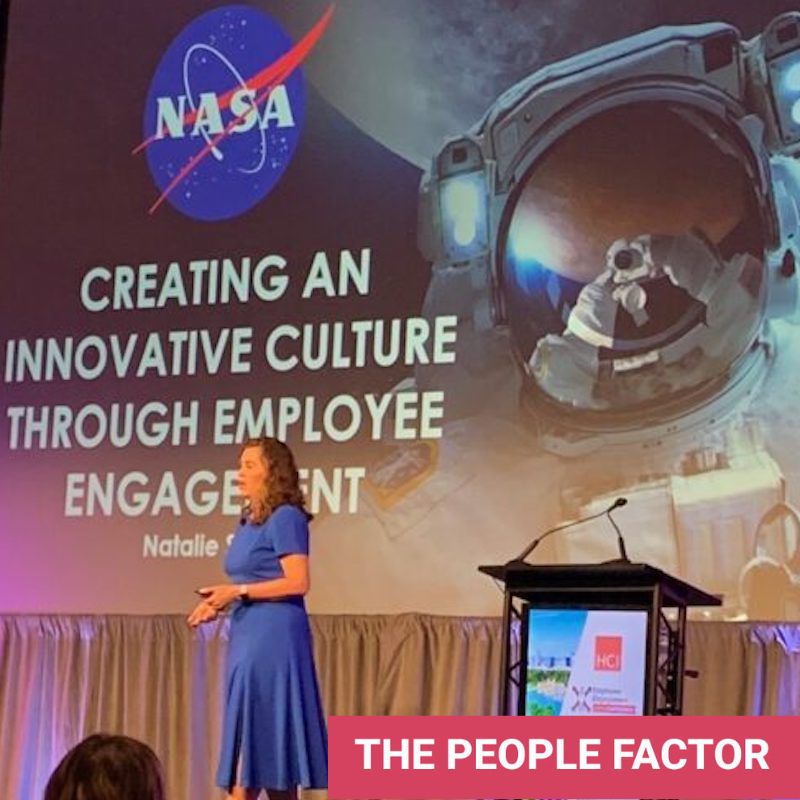
Building a Shared Vision: Embedding innovation into the system 3/4
When investigation into the Colombia tragedy revealed a deeper, systematic organizational problem. NASA reponded rapidly and by 2006, JSC leadership articulated a new narrative known as the Business Imperative.
It reframed innovation as essential to mission success rather than a peripheral activity. Every new mission would demand novel approaches to technology, partnerships, and problem-solving to embed innovation into the system.
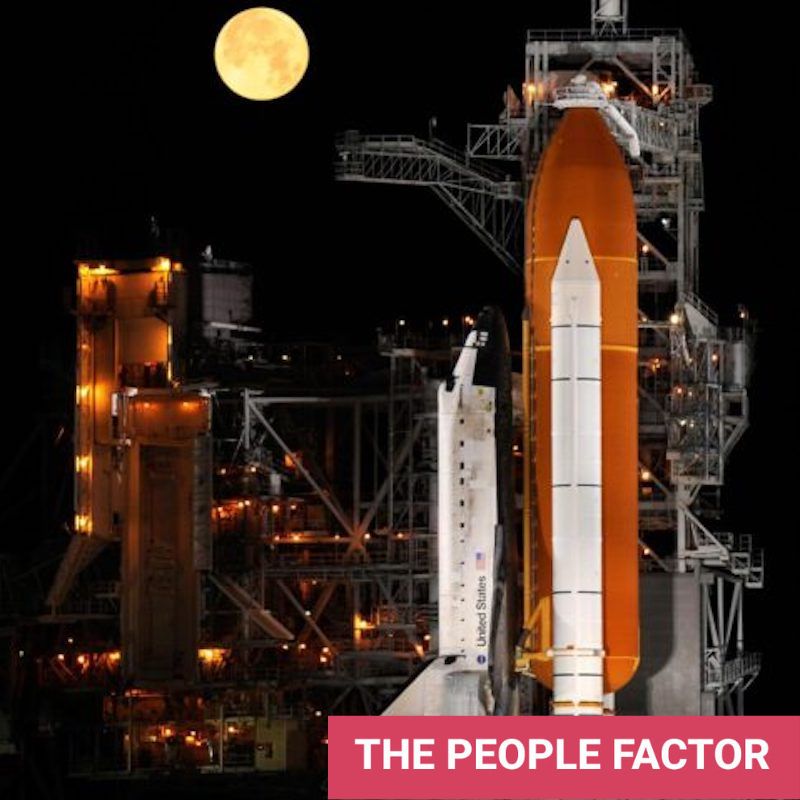
Transformational leadership: Redefining what it means to lead at NASA 2/4
In the years following Columbia, JSC invested heavily in its leadership. The goal was to shift from directive, hierarchical management to transformational leadership, an approach that emphasizes inspiration, empowerment, and mutual growth between leaders and followers.

Revival: How NASA’s Johnson Space Center rebuilt its innovation culture after Columbia 1/4
On February 1, 2003, the world watched in disbelief as the Space Shuttle Columbia disintegrated, taking the lives of seven astronauts.
Beyond the technical causes, the Investigation Board identified a deeper, systemic problem: a cultural failure.
This is the story of how NASA’s Johnson Space Center (JSC) in Houston rebuilt its innovation culture.

Improving the assessment of innovation and technology management capabilities
Increasingly the alignment of technology management and innovation management is seen as crucial to the performance of knowledge and manufacturing-based organisations, creating a demand for improved methods to assess performance.