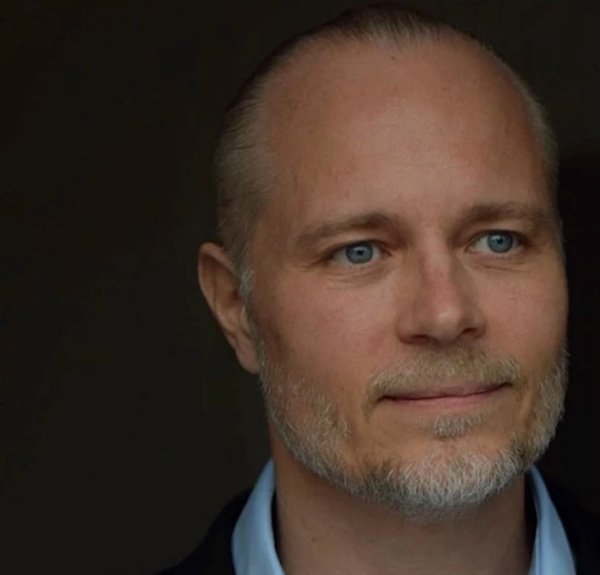
“When you go into an indoor farm and get hit by that fresh aroma, you just know this is an industry you want to be part of,” says Mikael Gummesson, the former Head of IT Innovation at H&M Group, who is now an Innovation Management Mentor and part-time CTO for Swedish start-up Ecobloom. For him innovation is all about the people.
Ecobloom helps indoor farmers create a reliable source of nutritious food, through the use of AI and multispectral imaging.
For Mikael, the passion of those working with indoor farming technologies – hydroponics, aquaponics, vertical and more – reminds him of the early days of ecommerce.
We invited Mikael to share some of the insights he has gained from working with fast-growing companies and his thoughts as to what makes innovation successful.
Aiming to be the best
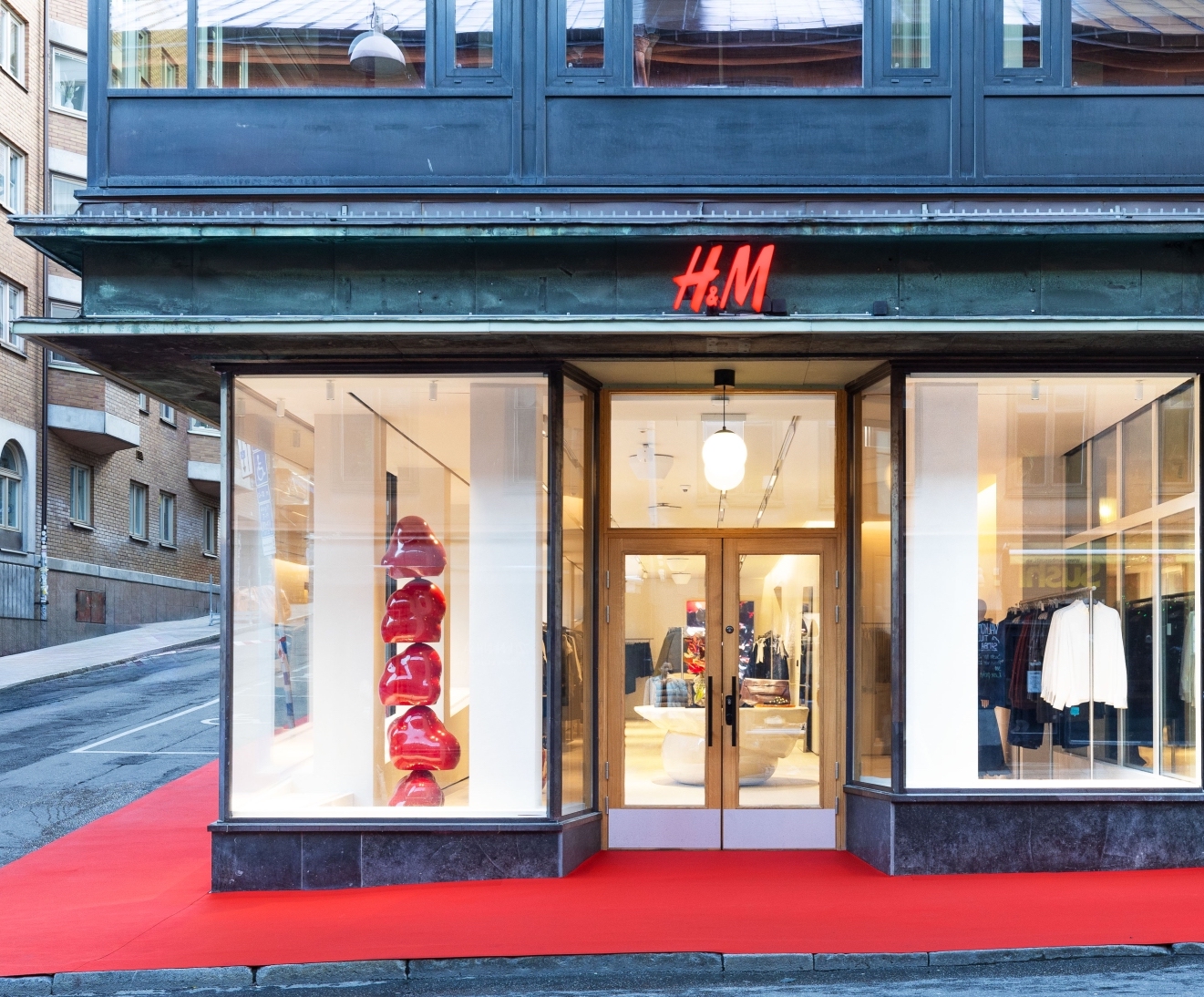
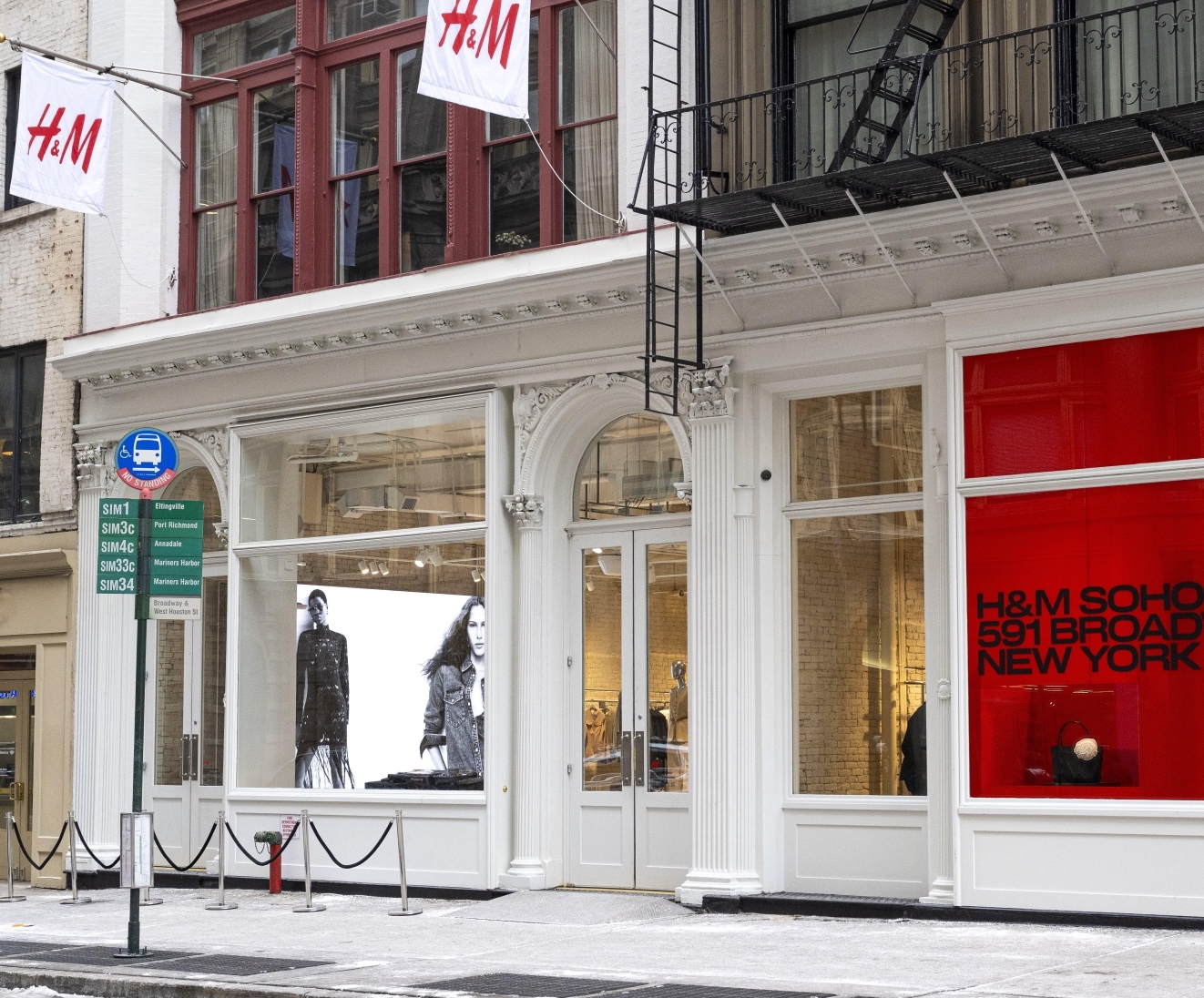
Mikael has had a long career in fast fashion. When he joined H&M in 2000, the company was entering its tenth market – when he left 20 years later the company had a presence in more than seventy.
“In the early days it was like working for a huge start-up, the entrepreneurial spirit was very high,” he remembers. “It was fast paced and there were no job titles, everyone helped out with what was necessary to deliver results. The focus was on business, a fun and very educational time.”
“We aimed to be the best and most sustainable fashion retailer in the world. We solved a challenge and then moved on to the next one. And, if you look at the figures for that time, we succeeded.
“You can work like this when you have a supportive management, hiring the right people with the right mindset. That is what creates a great company culture where people love to go to work and deliver results.”
Maintaining an entrepreneurial culture as you scale
“However, successful companies tend to grow and unfortunately for mid-size and larger companies, elements of bureaucracy, politics and protectiveness slowly come crawling in.
“This is when an innovation management setup becomes important, as it helps to keep an entrepreneurial culture and to continually deliver new competitive solutions.
“I had the good fortune to meet with the right people, at the right time. They had been practicing innovation management for a long time and brought a large number of documented practices, tools, and educational materials. These were not only important blocks to build the overall innovation management system, but also to support the delivery of new innovative solutions.”
H&M’s innovation management supported rapid international growth

Innovation success factors
How to ensure successful innovation, is a subject close to Mikael’s heart.
He continues: “With experience gained from working with many organisations over the years, there is one thing that stands out when it comes to success factors – leadership.
“If you want to be successful, it is crucial that your management holds knowledge about innovation e.g. what is, how to measure it, to have an interest in different stages/portfolios, and decision making, to support incubation etc. And that innovation is implemented in a structured way.
“Good leadership is key. When you innovate to implement something new, to take the company a larger step forward, then it is likely that several areas of the business will be involved. That is very different to the smaller, everyday incremental improvements that are often restricted to one area.
Bigger steps forward often require a bigger change which is not always welcomed with open arms. A good way to do this is to always ensure that someone from the business side takes ownership of the project, strongly supported by the area that possesses innovation capability and the innovation leaders. This will eliminate behaviours like “not invented here” and makes the implementation/integration much more feasible.
“Where this approach is not possible, I would recommend that major radical/disruptive innovation happens totally separately, supported and protected by management and, if necessarily, hidden from view.”
Improving innovation outcomes
Mikael is now a board member of Innovationsledarna, the Association for Innovation Management Professionals in Sweden, where he is sharing his experiences gained across different industries and companies.
Innovationsledarna is a keen advocate of the ISO 56000 family of international standards for Innovation Management and considers this a vital method for improving the success rate of innovation.
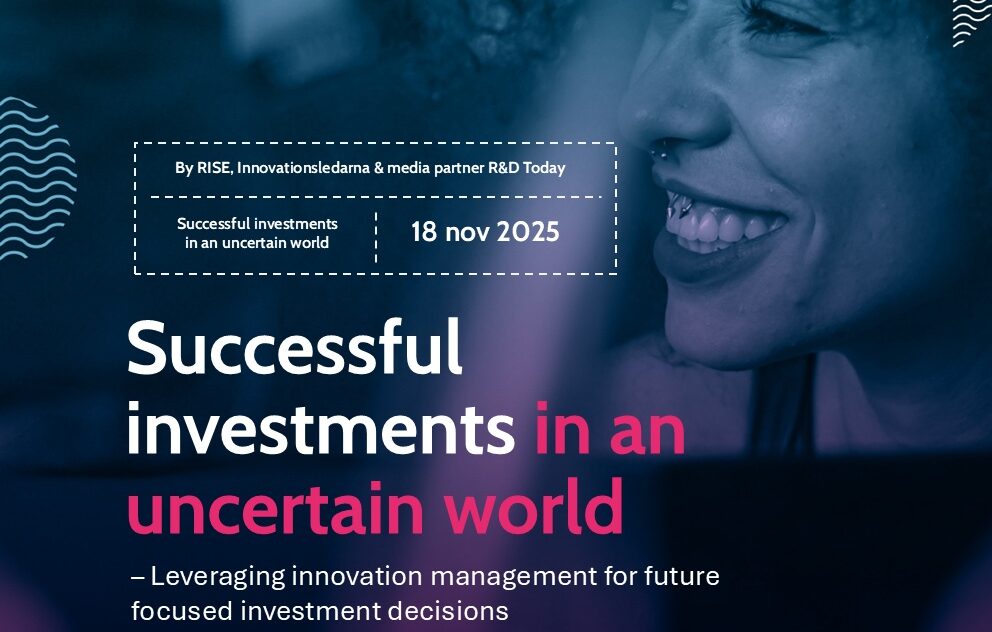
Innovationsledarna is partnering with RISE to host a conference on this subject “Successful Investments in an uncertain world.”
Successful investments in innovation
Having good systems and aspirational leadership are vital but Mikael says there are other factors.
While it is widely recognised that innovation is vital to create competitive advantage and, in many cases, extend the lifespan of a company, it is also connected to a degree of risk. It is not certain that every initiative will be a great success.
Mikael comments: “We need to talk about how to put a value on innovation that leadership recognises. This is not always increased profit, sometimes the outcome is learning. Knowing what to pursue and what to drop – this too has a value.”
Mikael is using his experience to advise those investing in innovation.
“There is no certainity in innovation, and this is particularly true when investing in start-ups driven by new technology, where the possibilities are endless. Even for the most promising solution, that is wanted by many, you should not underestimate the amount of work required to get it to market.”
Mikael observes that it is difficult to know in the current environment what the appetite is like for investing in innovative start-ups.
“Some say it’s recovering from the Covid years and doing well, but for many others in Sweden gaining finance is still tough,” he says, recognising that different sectors vary in their experiences.
“A good cautious approach to follow is that if you are too far from the topic to fully understand it, then you probably shouldn’t invest. For example, just because it says ‘AI-enabled’ that is no guarantee you’ll get your money back, in many cases quite the opposite.
“Start by asking yourself some simple questions; Do I trust the people? Do I understand the solution and the customer? Would I pay for it? Would I use it? etc.
“That said, there are many ways to do due diligence and structure evaluations that create values that you can make decisions from, and many people are confident with that approach.
“And sometimes it does not matter how experienced you are. I know people that have turned down investment offers which today, not that many years later, would have returned five figures’ times the initial investment.”
Technology for indoor farming is blooming
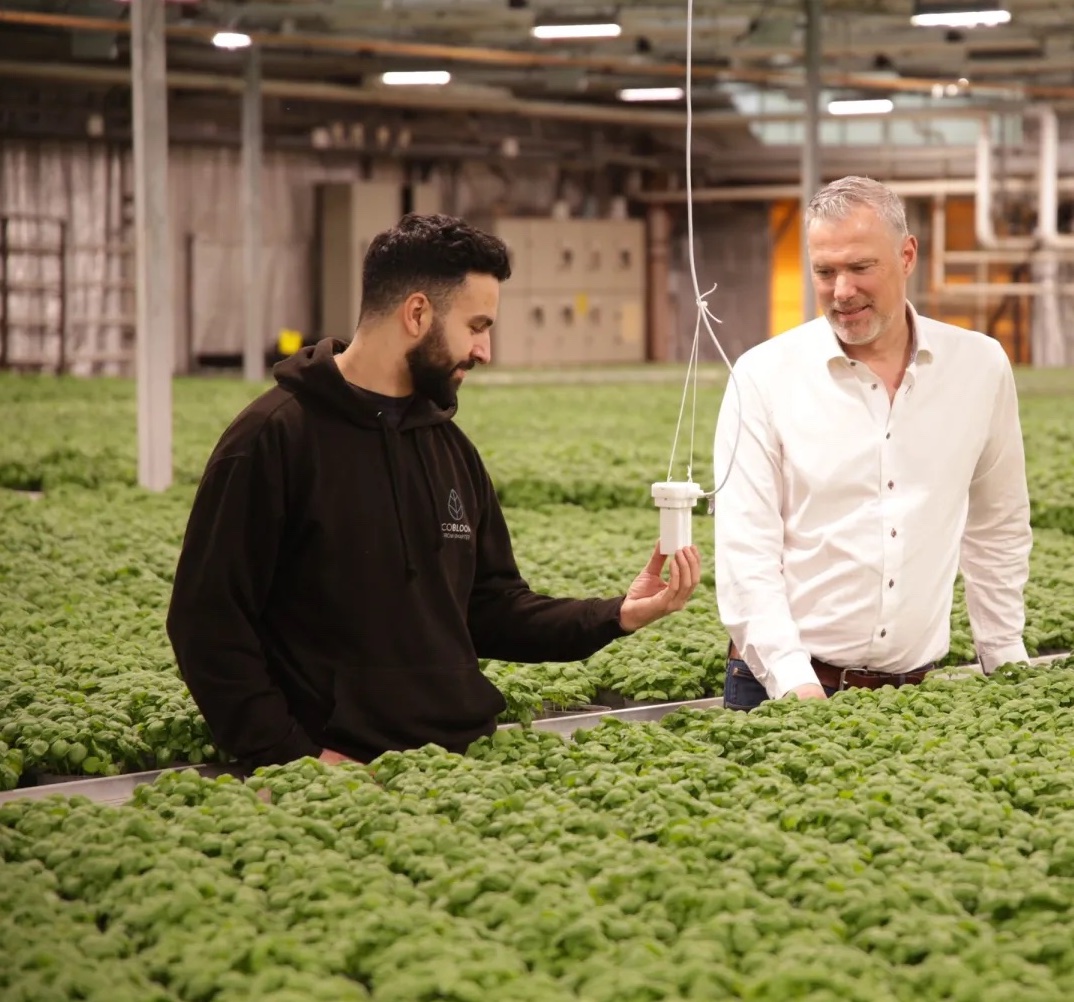
One sector that is literally growing fast, is the production of leafy greens and herbs under controlled environments. For Mikael the business case for supporting Ecobloom was clear.
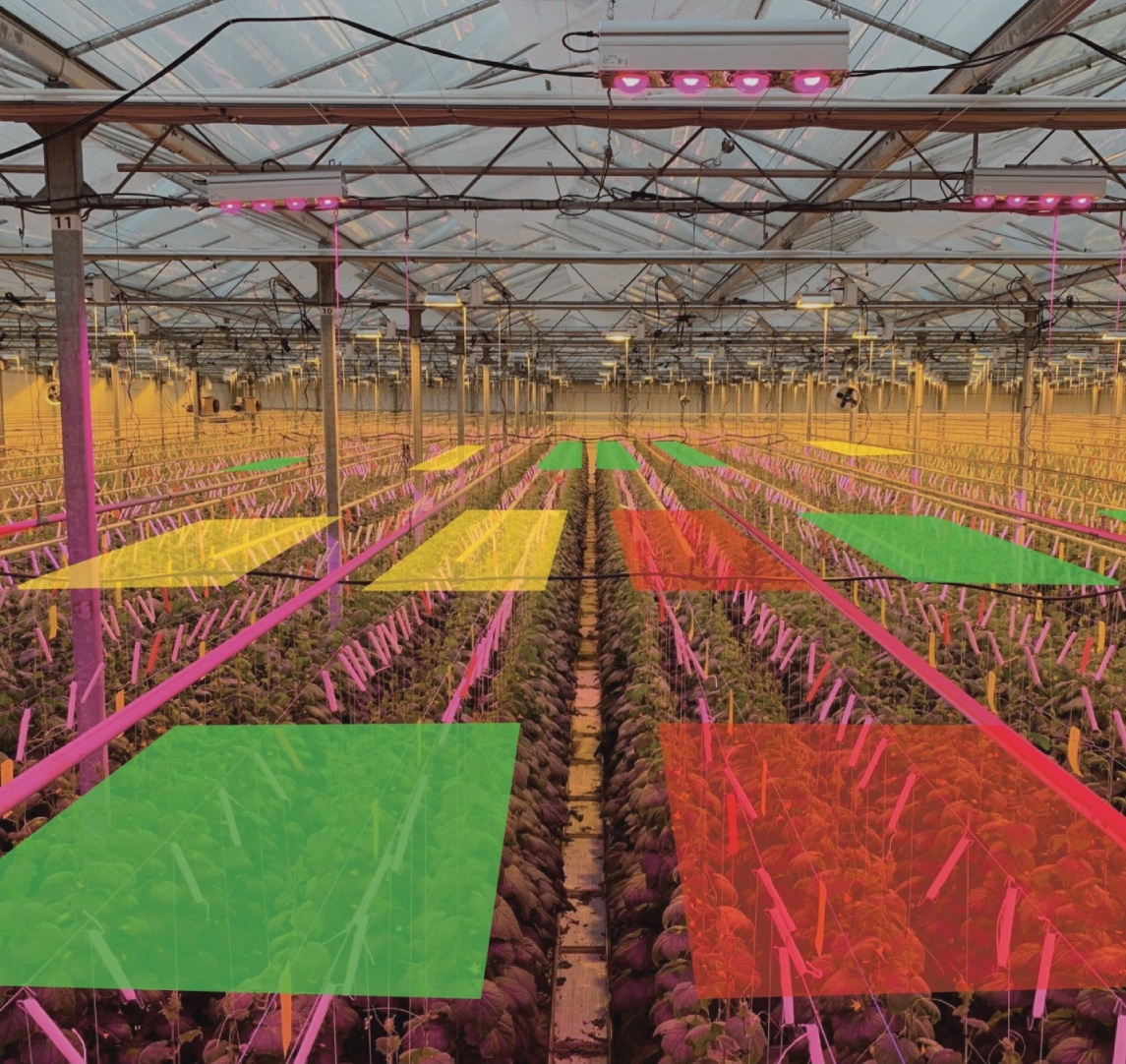
The Ecobloom product uses AI and machine vision to identify anomalies in crop plants that would be difficult or impossible to see by human eye and may indicate early symptoms of a disease or pest infestation.
If left unchecked, disease can spread quickly in an indoor farm and the whole batch can be lost, so prompt action is crucial.
The scale of loss made Ecobloom technology easy to justify
Mikael continues “When we first started to talk to the producers, they underplayed the impact of pests and diseases on their crops as they wanted to build confidence in their approach.
“However, after making them aware of the potential for early detection, we started to get calls from producers asking for our help. It then emerged that it was a big problem, and huge batches of plants were being lost. The scale of this loss and potential for solution made introduction of the Ecobloom technology easy to justify.
“As they began to use the technology, producers saw additional benefits. They could use the technology to monitor the whole of the farm from a mobile phone and could be quickly alerted to problems and action them immediately.
Providing added value
“Also, not all anomalies are bad. Sometimes the final product could turn out improved e.g. extra sweet, different colour. Since we have data from all of our sensors, throughout the whole process, we have capacity to re-produce these outcomes just like a “recipe”.
“Working closely with the producers we soon realised that forecasting is a big thing. Being able to predict when a crop will be at its optimum would maximise its shelf-life. This reduced waste for the producer and had a high perceived value for their customers.
“Aligning innovation with customer business needs has created a clear direction for the company and right now this is an exciting place to be. I see the huge potential for the technology.
For people and planet
“Personally, as time goes by, it feels more and more important to do something good for the people, and the planet. And that is what Ecobloom is doing by enabling more nutrition to be produced with less resources,” he says.
“For example, several larger companies now grow some of their own fresh produce from an indoor farm housed in containers in the car park, everything monitored and information accessible from anywhere – pretty cool!”
To find out more about Ecobloom – www.ecobloom.se