Sony Mobile emerged when Sony acquired Ericsson’s share of its joint venture. Against a difficult market it gained value from its future focused investment and successfully regained the organisation’s reputation for groundbreaking innovation.
In their paper “Innovating Beyond Boundaries: Integrating IMS in Global Corporate Operations” the authors discuss the use of an Innovation Management system to faciliate the regeneration of competitive advantage after acquisition.
Here, one of the authors, innovation practitioner Johan Grundström Eriksson, describes his learning points gained from advising and implementing innovation management systems for companies including TetraPak Group and Sony.

Compliance creates requirements for innovation
Johan Grundström Eriksson’s first experience of creating a global innovation system with mutually reinforcing innovation processes was in 2001, when he was hired by the TetraPak Group.
The company was investing in the transformation and mobilization needed to grow organically by 50% in 5 years. This was the start of a digital transformation across the entire Group.
Johan thought that the skills would be transferable to a different sector, but when he joined Sony Ericsson he found a very different landscape.
“TetraPak is a leader in the food industry, which is a highly regulated environment, ” he continues. “Compliance actually creates a good set of requirements for innovation as it makes people work together. They all know what the target is – basically not to harm or kill consumers! So, there is recognition of the need for a coherent system that can be rolled-out across the organisation.

“I spent 7 years working on the Global Innovation Management System at TetraPak, which encompassed multiple processes from intelligence and ideas to management strategy, planning of technology and products, and all the delivery processes including product development, and technology development.
“When you are immersed in a sector it is easy to get in a bubble and assume every industry operates like that.”

2008 – a fight for survival in the mobile industry
Johan then left TetraPak to join Sony Ericsson in 2008. He looked to transfer his learning, but he quickly realised the culture and industry were very different and the timing was challenging. Apple had launched the iPhone in 2007, which ‘pulled the rug’ from under the mobile industry.
This became a time of survival and great change in the technologies, the industry, and the wider socio-economy.
Johan was tasked with analysing the root causes of the company’s difficulties and to contribute his experience in systematic transformation. His focus was rebuilding an adaptable governance foundation, intranet, and management system, to fit with Android and the growing market of software platforms for mobile devices.
The company survived and Sony acquired Ericssons shares of the Joint Venture.
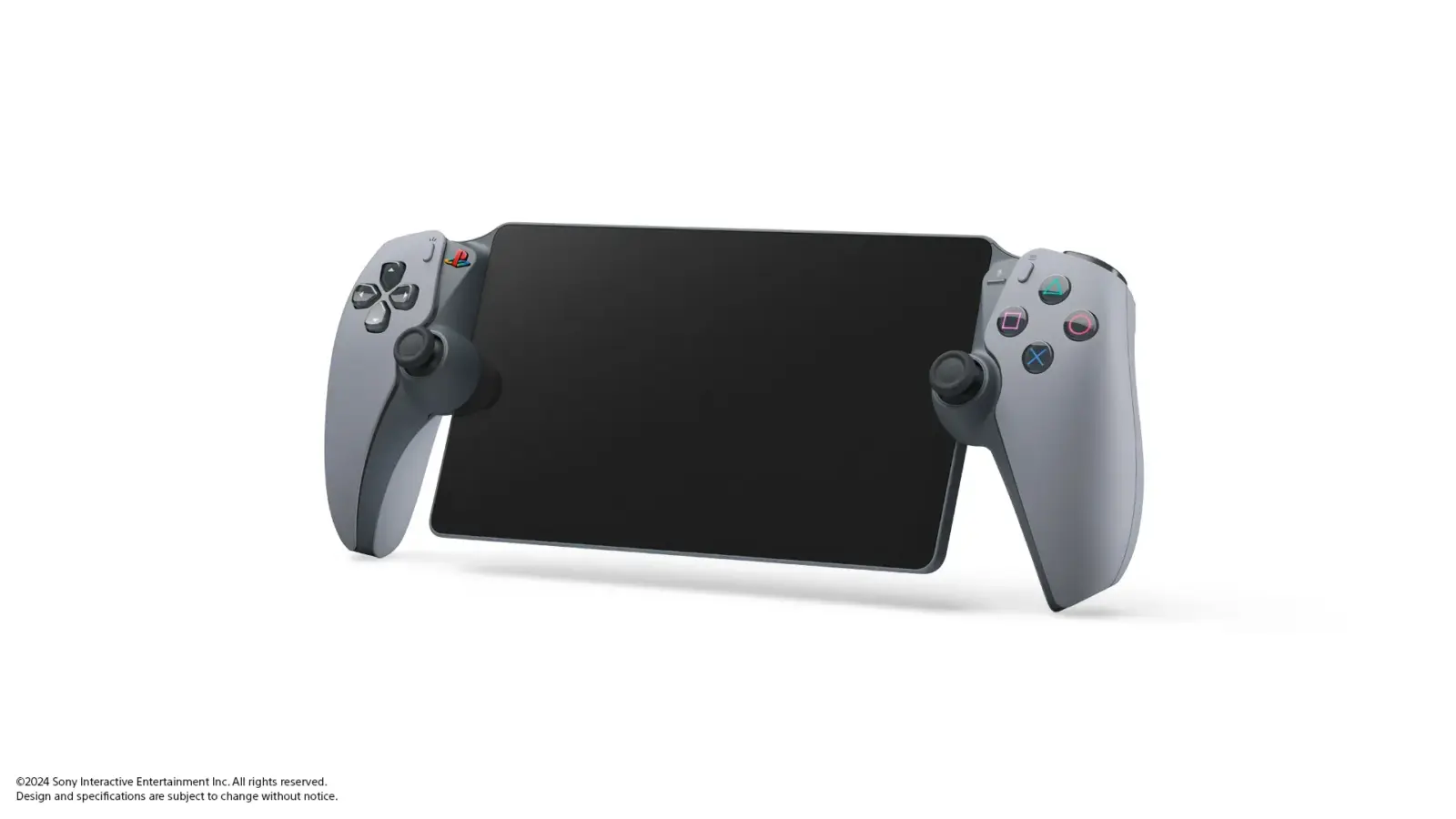
Sony Mobile – creating value from future focused investment
After Sony’s acquisition of the company, Johan was tasked with adapting the governance and support structures. This was both to merge and integrate the organisation as well as to support creating new value from the acquisition, but there were a number of challenges as he explains:
“There was a difference in time horizons. The Western world looks for short-term gain, whereas the Japanese, and potentially other eastern cultures, have a very long-term mindset – of 20 or more years. So, there needs to be a willingness to understand the different perspectives and make something together. This can be tricky to analyse, capture, agree and declare as your policy, strategy, direction, or intent. “
“Also, without the requirement for compliance, the different divisions hadn’t needed to work together. Each had built their own systems to optimize KPIs within their own agency, while somehow keeping it together with trade-offs in time, cost, and quality. The creativity and delivery were fantastic, but maintenance of all these proprietary systems and the aftersales care of products was a nightmare.
“Back then, the world wasn’t connected. So, ‘one-way of working’ wasn’t desirable or even possible and there wasn’t the know-how about how to manage innovation. If we had had the benefit of internationally accepted best practice, like we do today, it would have saved us so much time and removed the continuous internal debate over right and wrong practices.
“Although, innovation preference, purpose and process differ between organisations, the basic principles are universal. We adopted parts that made sense and tweaked them according to the intent and value that we could agree on.”
‘Innovation beyond the smartphone’ – visionary leadership
With direct access to and trust from the CEO, Board and top management, Johan leveraged his knowledge of corporate governance, strategy, and audit to work with all corporate teams and set the common framework for guidance.
When the time came to create a future beyond smartphones, the company was able to gradually adapt, and introduced an innovation management system as part of its existing corporate management system.
This was essential to support the ambitious ‘innovation beyond the smartphone’ vision of its CEO; a strategy to manage uncertainty and guide the organisation in pursuit of new value from innovation beyond existing sources of revenue.
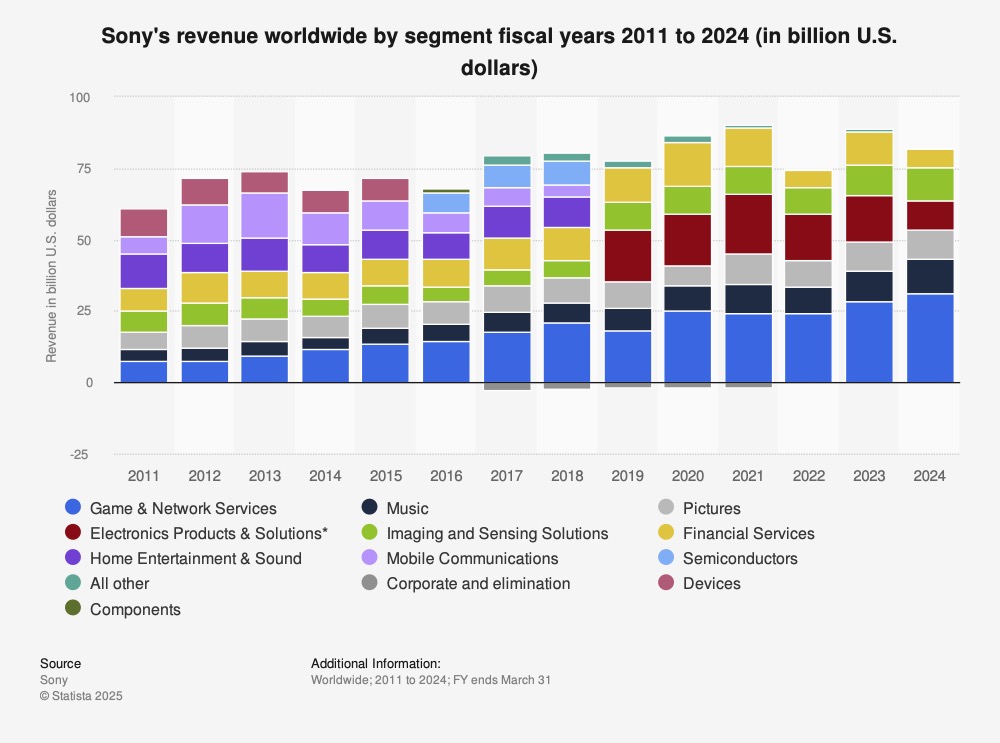
This pursuit continues, and Sony is considered to be one of the world’s top 100 companies today.
The challenges are similar for all involved in innovation management
Johan is keen to share the learnings from his journeys, as he sees the risks of not acting timely or prepared enough and there is so much more opportunity to make innovation more efficient, and companies more resilient.
“The constant challenge for anyone who is a VP of R&D, Product Planning or Portfolio Management in a large, multinational corporate is balancing multiple conflicting agendas,” he says.
“There are continuously new discoveries and new technologies on the horizon. How do you make these future focussed investment decisions? Which one of them do you address, react to, or implement so as not to be disrupted? How does that decision align with your business and competitor intelligence and how do you know at what pace to change?
Benefits of an innovation system
- Created a mutual statement of who we are, what we do and how we do it. This was crucial to the success of the acquisition and to create the value that came after.
- Provided a definition for the skills need for implementation. Implementing IP acquired in the telecom arena into other areas of the company created new value from existing investments, but defining these skills to enable recruitment was challenging. Instead of defining all needed future skills, it’s much more rewarding to get started, work with what you have, learn fast, define the gaps, and address the missing skills.
- Offered a common vocabulary for the terminology. This is a great benefit, as this enables you to collaborate with others in the ecosystem, such as universities and partners, increasing the radius of innovation. At TetraPak, this enabled research staff to engage with PhDs at the university to define how to design properties of materials and polymers. The aim was to replace the need for aluminium in the cartons and become more sustainable.
- Presents a global way of looking at R&D – sharing best practice creates the opportunity to benchmark against innovation in different industries and different geographies.
Read the paper
“Innovating Beyond Boundaries: Integrating IMS in Global Corporate Operations” A.H Suominen, I Kihlander, V Jonsson, J Grundström Eriksson. This paper was presented at ISPIM Connects Osaka – Connecting and Empowering Society, Osaka, Japan on 2-4 December 2024. Event Proceedings: ISBN 978-952-65069-7-5